
Your first SaaS release: choose one journey over twenty features
How to scope useful business software, plan roles and failure states, then decide what deserves a second release.

Accounts, billing, a calendar, analytics and a dashboard quickly fill a SaaS wish list. The risk is not only building too much. It is connecting screens without making a complete task easier.
Choose one operation that matters: prepare a post, assign a mission or manage a registration. A chart is often a view of that work rather than the work itself.
Follow one object through its states


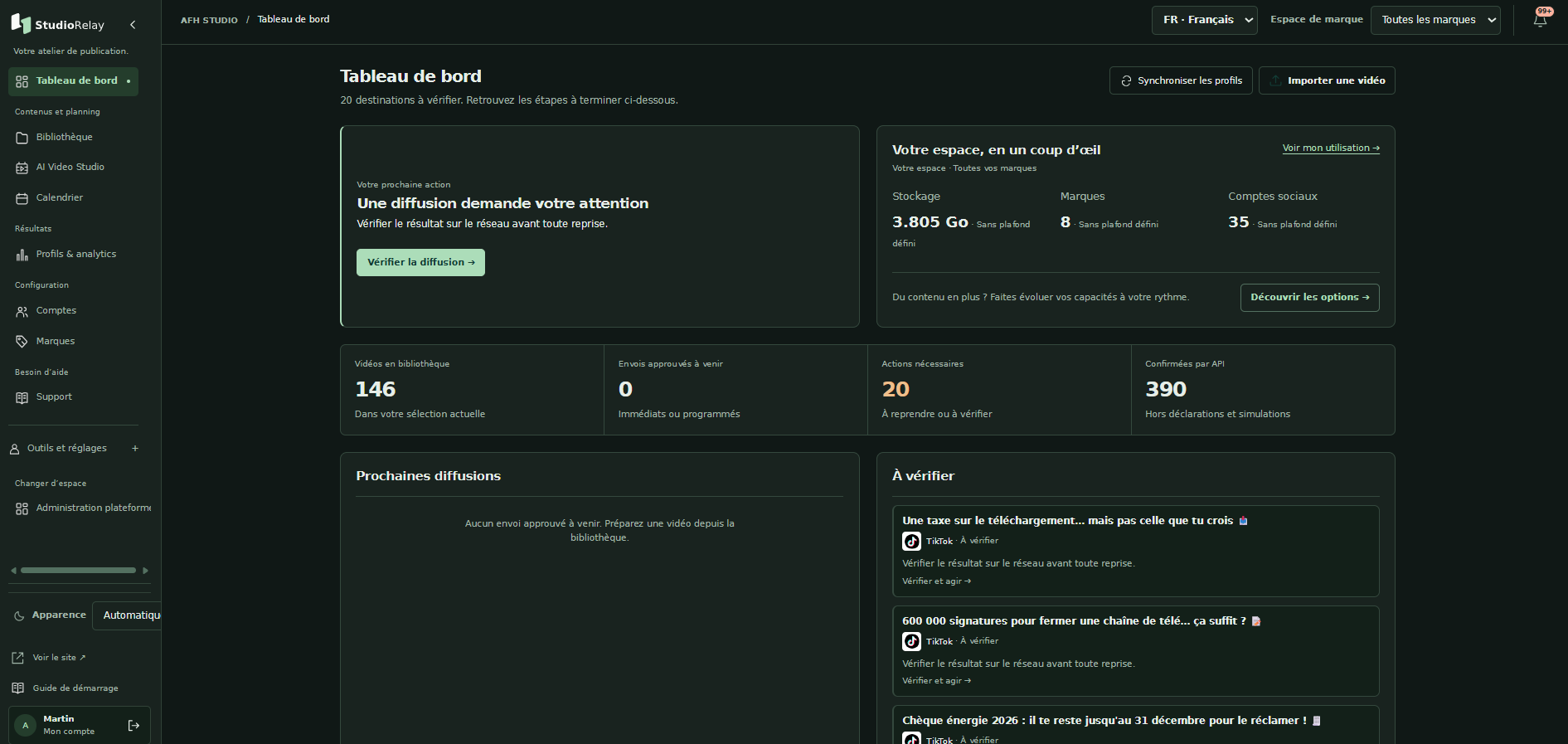
Consider a fictional team preparing content for approval and scheduling. List the states: draft, review, approved, scheduled and processed. Identify who may trigger each transition.
Can someone change approved content? What happens if approval is removed after scheduling? Who handles a failed publication? These questions matter as much as the dashboard layout.
Deliver one complete journey
A first release can serve a limited role, format or integration while completing a real task. Explicit limits reduce the variations to test.
| Define now | Can often wait |
|---|---|
| Create and edit an item | Exhaustive screen customisation |
| Necessary roles and permissions | Many commercial account tiers |
| Error and recovery states | Advanced analytics |
| Useful export or data exit | Secondary integrations |
This depends on the product. Analytics may be the central task of an analytical tool rather than an optional addition.
Establish permissions early
Hiding a button does not protect data. The server must enforce rules on sensitive actions. Permission to view a request does not automatically imply permission to export, delete or transfer it.
Django’s authentication documentation distinguishes identity and permissions. A framework still needs your business rules: objects, roles and justified exceptions.
Test whether an account can see another organisation’s records, whether a modified request bypasses a forbidden action and whether a departing colleague loses access without destroying useful history.
Plan asynchronous work
Exports, emails and file processing may take time. The interface should distinguish acceptance, processing and completion, then explain failures and recovery.
A repeated request after a network interruption should not create unwanted duplicate effects. The Celery task guide explains idempotent tasks and related delivery considerations. This affects real operations, not just infrastructure choices.
Let actual use shape the next release
Observe blockers, support requests and work still done outside the product. Removing a repeated manual entry may be more valuable than adding another chart.
Explore StudioRelay for publishing workflows and FleeTrack for operations. These illustrate types of work rather than features to copy wholesale. Our SaaS service starts with the journey worth building.